
Get A Quick Quote

Email:
sales@ruggedmaster.com
CONTACT INFORMATION
Address: 3th Floor, B2 Building Yinlong Industry Base, Longgang District,ShenZhen,China
As globalization continues to expand, the Internet of Things (IoT) is reshaping traditional business operations. Portable intelligent logistics systems now play a vital role in improving operational efficiency and lowering overall process costs. Modern logistics environments are complex and constantly evolving, requiring the ability to manage large volumes of data while maintaining timely responses. Smart terminals, with reliable, secure, and efficient data communication capabilities, combined with integrated data collection functions, have become essential components for enabling efficient and intelligent logistics operations.
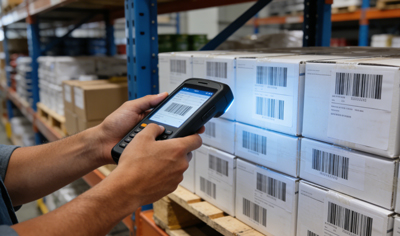 Effective warehouse management focuses on maintaining accurate orders, meeting delivery schedules, controlling inventory levels, and reducing operational costs. In an increasingly fast-paced logistics industry, the ability to respond quickly has become a critical advantage for modern warehouses. To achieve this, choosing a reliable Android/Windows device is essential for keeping warehouse management systems efficient and stable. RuggedMaster rugged handheld PDA scanners and Android/Windows tablet PCs are designed with high-performance processors, durable construction, and well-designed I/O connectivity with efficient data communication capabilities, making them suitable for demanding warehouse operations. With advanced barcode scanning technology and optimized RFID antenna integration, these Android terminals enable faster data capture, wider signal coverage, and more consistent data processing performance. In addition, the integrated rechargeable battery helps protect the system from damage and prevents data loss caused by unstable power conditions. RuggedMaster rugged devices provide a dependable solution for warehouse logistics tasks, even in low-temperature environments such as freezers.
 Fleet operators increasingly recognize the importance of integrating IoT technologies into daily operations, including electronic logging, GPS positioning, status inspections, and maintenance planning. However, identifying a device specifically designed to withstand demanding outdoor environments while meeting operational requirements remains a significant challenge. Most standard smart devices lack the durability and functional flexibility required to effectively manage vehicles and personnel on the move.
For the logistics and transportation industry, cargo safety and on-time delivery are essential. Fleet managers rely on complete and accurate information to track vehicles, monitor cargo conditions, and coordinate staff in real time, helping reduce operational costs while improving overall service reliability. RuggedMaster rugged Android computers and PDA devices are built with reinforced structures capable of handling unpredictable road and field conditions, ensuring dependable performance. Equipped with advanced and comprehensive wireless connectivity, RuggedMaster rugged tablets and PDA scanners improve in-transit visibility, support efficient fleet dispatching, and provide access to real-time operational data.
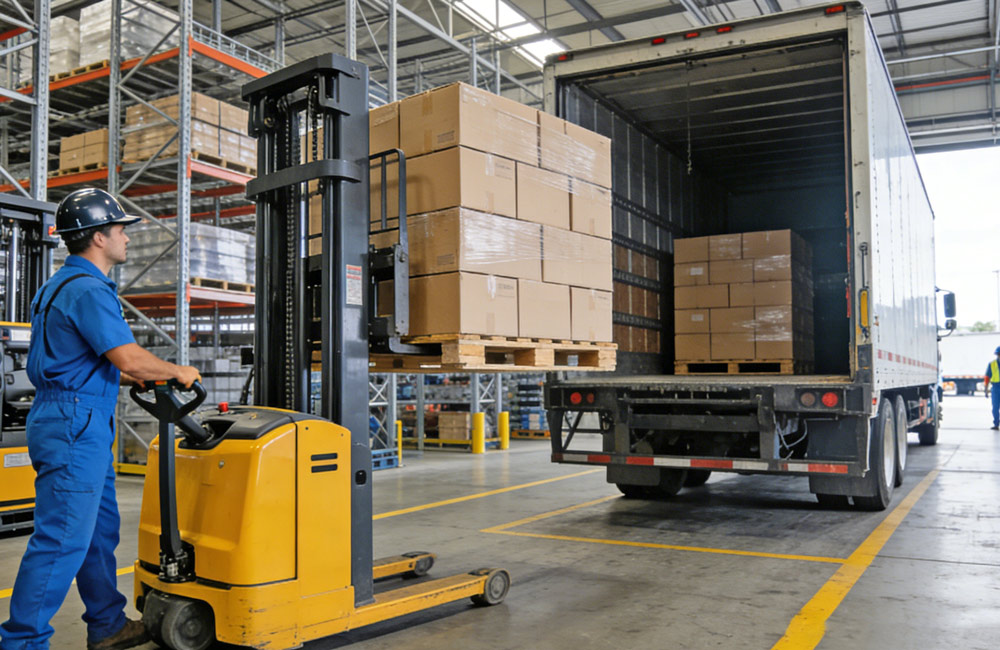
Warehouse operations generally consist of three major components:
1. Purchase Planning
Procurement planning is typically based on current inventory levels. Warehouse managers evaluate stock conditions, while supply chain teams carry out purchasing activities accordingly to maintain balanced inventory.
2. Goods Receiving
When shipments arrive at the warehouse, staff scan each item using handheld devices. The display immediately presents the expected product information, and the collected data is stored in the PDA scanner and synchronized with the central database through wireless connectivity. During the scanning process, the system can also generate alerts. Any discrepancies such as missing goods or incorrect shipment information can be identified instantly through automatic data verification.
3. Storage and Warehousing
After items enter the warehouse, workers assign storage locations based on predefined rules and current inventory status. Barcode labels containing product details are then attached to the packages, and the information is synchronized with the warehouse management system. Once the conveyor system reads the barcode on the boxes, the goods are automatically routed to their designated storage locations.
1. Stock Inspection
Warehouse personnel scan the barcodes of stored items, and the data is transmitted to the central database. The management system processes the collected information and generates updated inventory reports.
2. Inventory Transfer
When goods need to be relocated, transfer information is organized first. New barcode labels containing updated storage details are printed and attached to the packages before they are moved to the designated area. The updated information is synchronized with the system through the smart PDA terminal.
1. Order Picking
According to order requirements, the distribution team organizes shipment tasks and retrieves the item information stored in the system, allowing staff to quickly locate the products within the warehouse.
2. Shipping Process
Before dispatch, workers scan the labels on the packages and upload the collected data to the system after completing the operation. Once the goods leave the warehouse, inventory records are automatically updated in real time.
Handheld PDA barcode scanners help streamline essential warehouse operations and improve efficiency.
Reduced paperwork and manual errors
Traditional handwritten records or spreadsheet-based inventory tracking can be slow and prone to mistakes. Barcode warehouse management systems combine user-friendly software with dedicated PDA scanners designed for inventory tasks, improving accuracy and reliability.
Improved operational efficiency
With barcode identification, warehouse staff can quickly locate items through the management system. This approach helps minimize picking mistakes and guides workers through optimized warehouse routes. It also supports better stock control for products affected by expiration dates or product life cycles.
End-to-end visibility
Barcode scanning enables accurate identification of goods, allowing operators to transfer data to the warehouse management system quickly and reliably while improving space utilization within the warehouse.
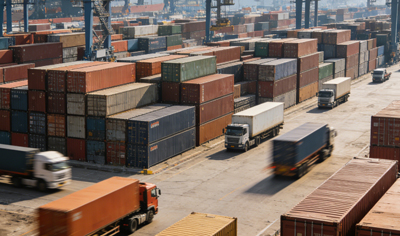
Ports and container terminals operate in complex environments filled with stacked containers, heavy equipment, and continuous day-and-night operations. Under these conditions, port managers require devices that are both reliable and durable enough to withstand challenging outdoor environments while maintaining clear operational visibility at any time. In large container yards, wireless communication can also be affected by obstacles and distance. RuggedMaster solutions provide wider communication coverage and stable, timely data transmission, helping improve the efficiency of container handling and cargo movement. Ruggedized industrial computers further support the implementation of automated port operations.