What Makes Rugged Wearables Different
Rugged wearables are built to operate as an extension of the worker, not a distraction. Unlike standard smartwatches or fitness bands, they’re engineered for continuous use in demanding conditions—where dust, water, vibration, and impact are part of the job.
These devices often pair with smartphones, tablets, radios, or backend systems, delivering notifications, task updates, sensor data, or location information in real time. Reinforced housings, sealed designs, and industrial-grade components ensure they keep working even when conditions turn rough.
The result is simple access to essential data, without pulling out another device or breaking workflow.
Typical Features of Rugged Wearables
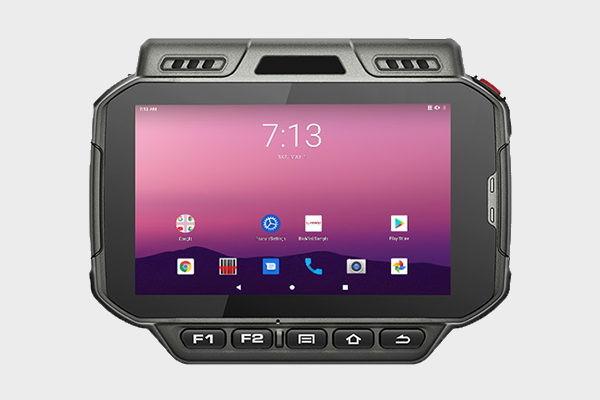
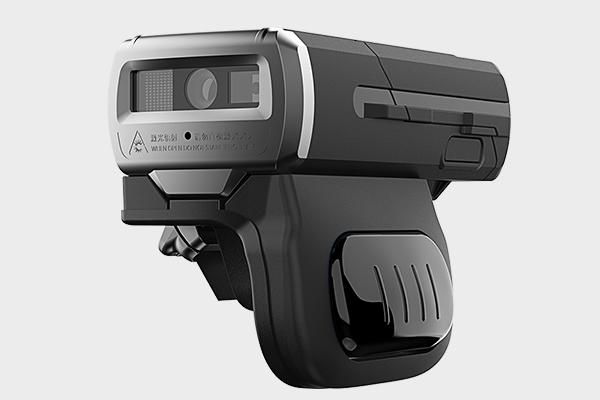
While designs vary—from smartwatches and wrist terminals to head-mounted displays—most rugged wearables focus on practicality and endurance:
-
Compact, lightweight designs for all-day wear
-
High-visibility displays readable in bright sunlight
-
Physical buttons or touch controls usable with gloves
-
IP-rated protection against water and dust
-
Shock and vibration resistance for active work
-
Long battery life optimized for full shifts
-
Bluetooth, Wi-Fi, or cellular connectivity
-
Sensors for motion, location, and activity tracking
Some advanced models may also support voice control, biometric monitoring, hands-free scanning, or integration with industrial software platforms.
Why Use Rugged Wearables in the Field?
Hands-Free Efficiency
Access information, alerts, or instructions without stopping work or handling another device.
Always-On Awareness
Critical updates reach you instantly, reducing delays and missed communication.
Comfort Meets Durability
Designed to be worn for hours without sacrificing toughness or reliability.
Smarter Workflows
When wearables connect to existing systems, tasks become faster, clearer, and more coordinated.
Where Rugged Wearables Make an Impact
Industrial and Manufacturing Sites
Workers can receive task prompts, safety alerts, or machine data while staying focused on the job.
Logistics and Warehousing
Wearables support faster picking, inventory checks, and real-time status updates without handheld devices.
Public Safety and Emergency Response
First responders benefit from instant alerts, location tracking, and hands-free access to critical information.
Utilities and Field Operations
Technicians working on infrastructure can monitor instructions, schedules, and system data on the move.
Outdoor and Remote Work
When conditions are tough and mobility matters, rugged wearables keep essential data close and accessible.
Conclusion
Rugged wearables are changing how professionals interact with technology in the field. By moving information off screens and into wearable form, they reduce friction, improve response time, and support safer, more efficient work.
They don’t demand attention—they quietly support it.
With the right rugged wearable, technology works around you, not the other way around.