Get A Quick Quote

Email:
sales@ruggedmaster.com
CONTACT INFORMATION
Address: 3th Floor, B2 Building Yinlong Industry Base, Longgang District,ShenZhen,China
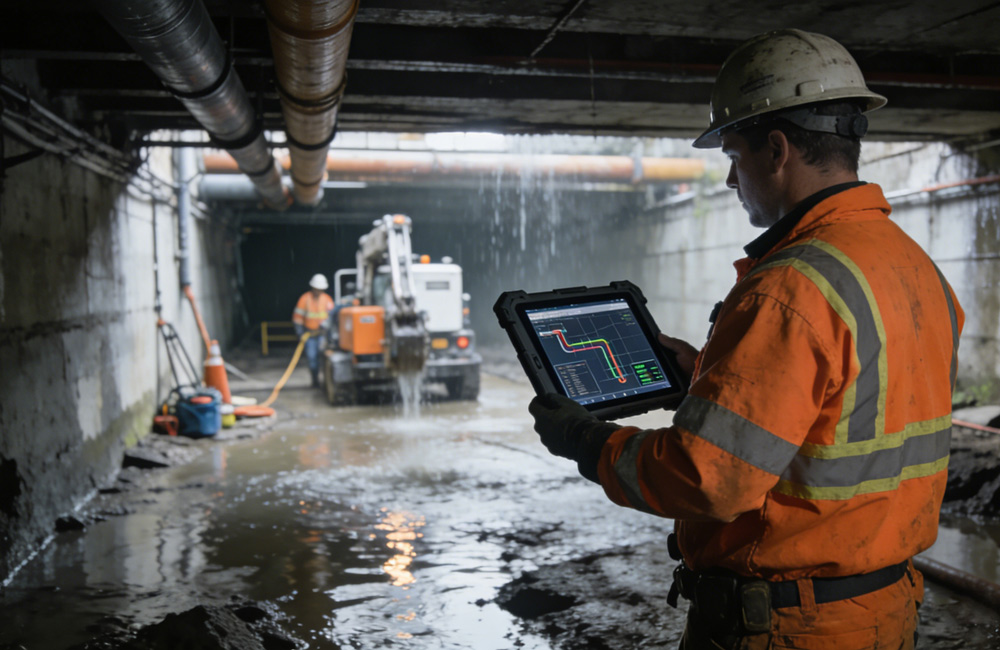
Public utilities are experiencing an era of rapid technological advancement. Efficient management of electricity, water, and gas networks increasingly depends on real-time data acquisition, multi-sensor integration, and seamless connectivity between field equipment and central control systems. Within this connected environment, field technicians and system operators require rugged devices capable of withstanding harsh outdoor conditions while maintaining continuous communication for operational monitoring and decision-making.
Utility Industry Demands Driving the Need for Rugged Devices
● Durability Requirements:
Utility assets are often located in remote or exposed areas, subject to extreme temperatures, dust, moisture, and vibration. Rugged devices must be engineered to endure these conditions while providing reliable performance for extended field operations.
● Network Reliability Challenges:
Rural and underground utility sites frequently experience limited or unstable network coverage. Devices supporting both wired and wireless interfaces, along with long-range radio connectivity, are essential to ensure uninterrupted data transmission.
● Multi-Protocol Compatibility:
Utility systems rely on a range of communication protocols, including Modbus, CAN, and serial interfaces such as RS232/RS485. Rugged devices with broad protocol support enable seamless integration with meters, sensors, and SCADA platforms.
● Operational Visibility:
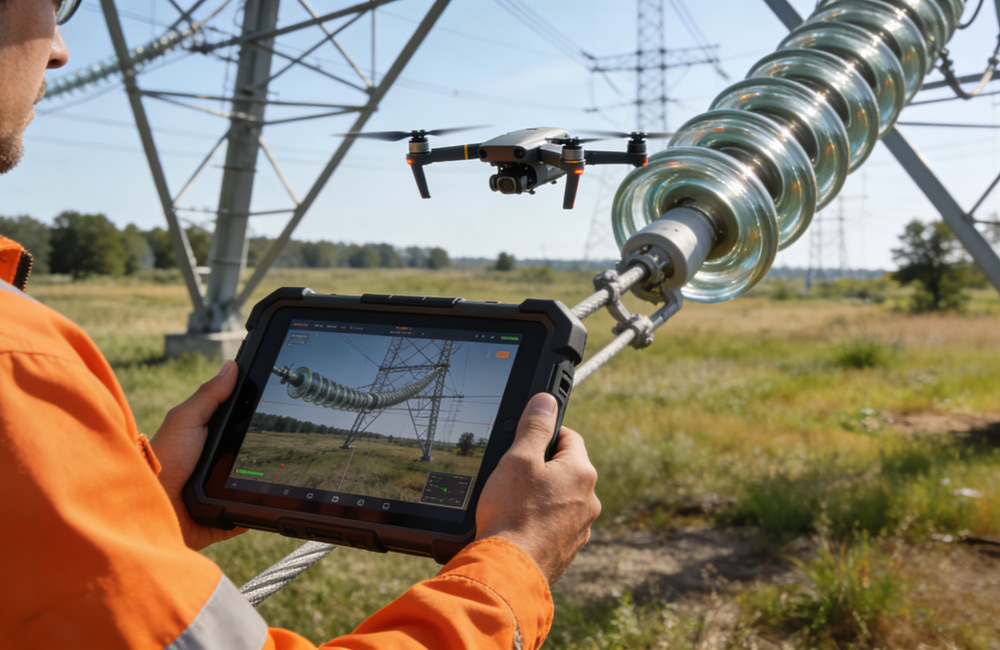
Field engineers need access to live video feeds, infrared or AHD camera inputs, and equipment diagnostics to monitor infrastructure, detect anomalies, and improve maintenance safety.
● High-Precision Positioning:
RTK-enabled GPS provides centimeter-level location accuracy for mapping assets, guiding inspection routes, and enabling precise documentation of maintenance activities.
● Real-Time Data Integration:
Modern utility workflows demand devices capable of processing multiple data streams simultaneously, supporting efficient monitoring, rapid fault detection, and timely operational decisions.
Rugged Devices for Public Utilities
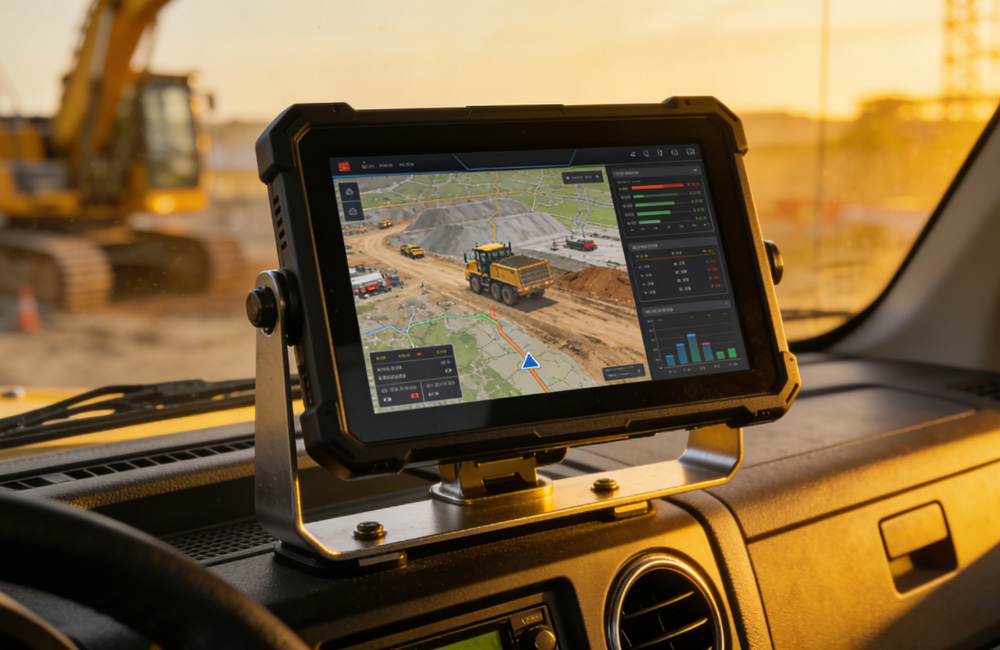
RUGGEDMASTER rugged devices are increasingly adopted by utility operators to enhance field efficiency, safety, and operational accuracy. These devices enable real-time collection of critical infrastructure data, including asset conditions, meter readings, and maintenance logs, while supporting streamlined reporting and monitoring. RUGGEDMASTER devices can be used handheld or mounted on inspection vehicles, enabling flexible deployment across diverse utility applications.
Designed to run specialized utility management software, RUGGEDMASTER rugged devices help improve operational productivity by supporting remote diagnostics, automated asset inspections, GIS mapping, and workflow management. Built for demanding outdoor use, they feature large, sunlight-readable displays for clear visibility in direct sunlight or low-light conditions. Optional integrated components such as high-precision GPS, barcode scanners, and RFID readers provide enhanced asset tracking and inventory control, enabling utility companies to optimize resource allocation and reduce operational costs.
Key Features of Rugged Devices for Utilities
Engineered to operate reliably under extreme temperatures, dust, and moisture
Reinforced construction to resist vibration, impact, and accidental drops
Stable real-time connectivity via cellular, Wi-Fi, and Bluetooth networks
High-brightness, sunlight-readable displays for outdoor visibility
Supports both Windows and Android operating systems for flexible application deployment
Enables efficient, consistent real-time data collection and transmission
Replaceable high-capacity batteries to support extended fieldwork
Integrated high-definition cameras for accurate image capture and remote inspections